The Cottage Industry Comeback
Why Building Your Own Economy Matters More Than Ever
Every economic cycle creates winners and losers.
During periods of expansion, large corporations often dominate, employment is plentiful, and confidence is high. During periods of contraction, something different happens. People begin looking for ways to regain control of their finances and reduce their dependence on a single source of income.
We’re seeing that shift today.
Rising government debt, slowing property markets, corporate restructuring, AI disruption, changing employment patterns and increasing economic uncertainty are encouraging more people to rethink how they earn money.
The answer isn’t necessarily starting a large company. For many people, the answer is much simpler. Build your own economy. That begins with creating one small income stream, then another, and gradually developing a collection of assets that work together to provide greater financial resilience.
In many ways, this is simply the modern version of the traditional cottage industry.
Key Takeaways
- Economic conditions continue to point towards a challenging period leading into the 2026/27 downcycle.
- Employment is becoming less predictable as businesses adapt to economic pressures and technological change.
- Modern cottage industries combine traditional home-based businesses with digital opportunities powered by technology and AI.
- Multiple small income streams provide greater financial resilience than relying on a single salary.
- Building your own economy is about creating assets you control rather than depending entirely on employers, governments or social media platforms.
- Every cottage industry can become the foundation for long-term wealth through consistent investing and compounding.
Table of Contents
The Economic Signals We Can’t Ignore
Every major economic cycle leaves clues before the headlines catch up.
Today, we’re seeing a combination of indicators that suggest the global economy is moving into a more challenging phase.
While no single indicator predicts the future, when several begin moving together it deserves attention.
Commercial Real Estate
Commercial property remains under significant pressure as loans reach refinancing dates while office occupancy remains well below pre-pandemic levels in many regions.
Property valuations have fallen, refinancing costs have increased and many banks remain heavily exposed to commercial property lending.
Credit conditions continue to tighten.
Corporate Restructuring
Across many industries businesses are reducing costs, restructuring operations and becoming more cautious with investment.
Several global corporations have reported declining profits, reduced activity and changing investment behaviour.
These are often early signs that businesses expect more difficult trading conditions ahead.
Rising Business Failures
Higher borrowing costs, rising operating expenses and weaker consumer confidence are placing increasing pressure on businesses.
Many smaller companies are finding it difficult to absorb higher costs while maintaining profitability.
Historically, periods of increasing business failures often coincide with greater interest in self-employment and home-based businesses.
Government Debt
Many governments are spending increasing proportions of tax revenue servicing debt. As debt repayments rise, governments have fewer options. This often results in some combination of:
- reduced public spending
- higher taxation
- lower investment
- pressure on public services
Ultimately these costs filter through to households and businesses.
Credit Risk
Periods of financial stress frequently lead to the expansion of higher-risk lending. Easy credit can temporarily support spending, but it also increases long-term financial vulnerability.
History shows these periods deserve careful monitoring.
Investment Cycles
One of the principles I teach throughout this website is understanding long-term investment cycles.
Debt cycles, liquidity, credit markets, commodities and property rarely move independently.
When several cycles begin aligning, they often signal a significant change in economic direction.
Current indicators continue to suggest that the 2026/27 period deserves close attention.
Why Traditional Employment Is Becoming Riskier
For many years the traditional financial advice was straightforward. Get a good job. Work hard. Save money. Retire comfortably.
Today that model is becoming less certain. Businesses are restructuring. AI is changing many professional roles. Government finances are under pressure.
Costs continue to rise faster than many wages.
Even people with secure careers are recognising that relying on a single income source creates unnecessary risk.
This doesn’t mean employment is disappearing.
It means financial resilience increasingly comes from having more than one source of income.
The Return of the Cottage Industry
Historically, cottage industries flourished during periods of economic uncertainty. Families supplemented their income by producing goods from home.
- They baked.
- They repaired equipment.
- They grew food.
- They made clothing.
- They developed practical skills that generated additional income.
The principle remains exactly the same today. The only difference is that technology has dramatically expanded what is possible.
Cottage Industry 2.0
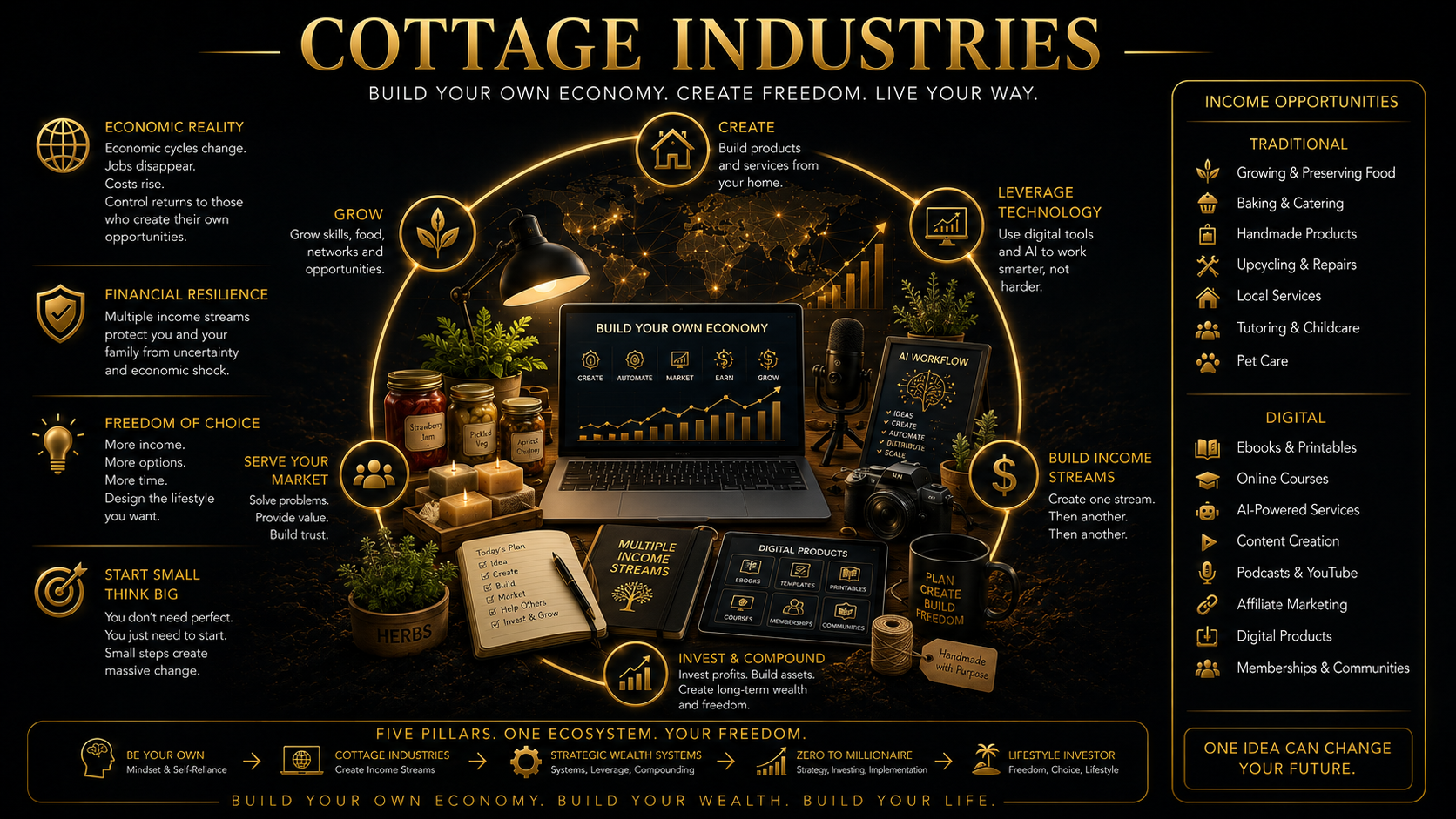
A modern cottage industry is no longer limited to handmade products. Today’s opportunities include both traditional skills and digital businesses.
Artificial Intelligence has accelerated this change.
Instead of replacing cottage industries, AI enables individuals to achieve more with fewer resources. A single person can now:
- create books
- design products
- build websites
- automate administration
- produce videos
- write newsletters
- analyse markets
- create educational content
- launch online businesses
without employing large teams. Technology has changed. The principle hasn’t. Small independently controlled income streams create resilience.
Traditional Cottage Industries
Examples include:
- growing fruit and vegetables
- preserving food
- baking
- homemade pet treats
- candles
- soaps
- crafts
- sewing
- furniture restoration
- gardening
- childcare
- tutoring
- local maintenance services
- pet care
Digital Cottage Industries
Modern opportunities include:
- blogs
- ebooks
- online courses
- podcasts
- YouTube channels
- newsletters
- affiliate marketing
- AI-assisted services
- digital templates
- printables
- memberships
- coaching
- online communities
- digital products
Many successful businesses combine traditional and digital activities.
Learn more about the 6 Best Online Businesses
Build Your Own Economy
Building your own economy means reducing dependence on a single income source. It means creating assets that continue working for you over time.
Rather than relying entirely on an employer, government support or one business, you gradually develop multiple income streams that strengthen one another.
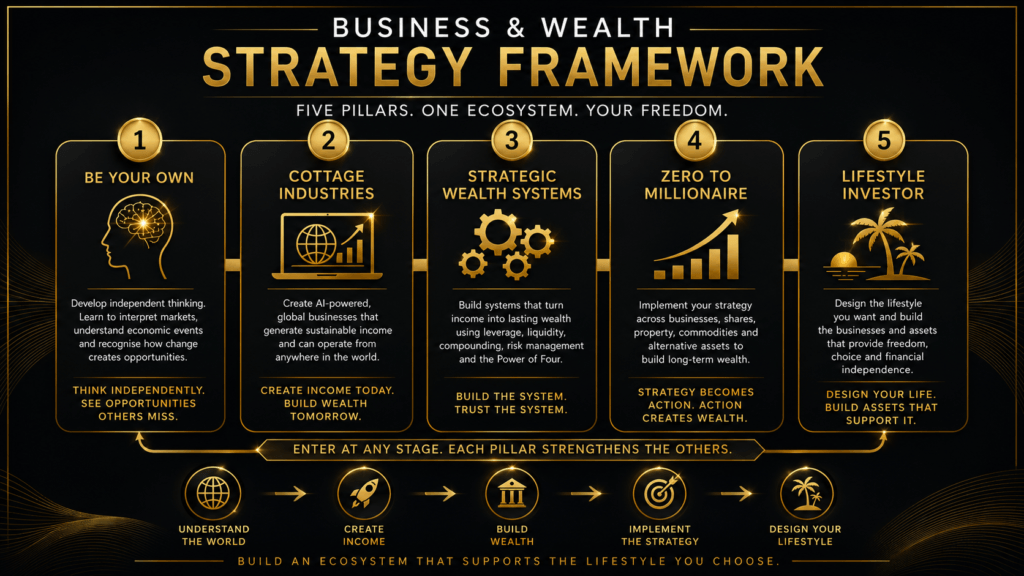
Throughout this website I explore this through five connected pillars.
Be Your Own
Develop the mindset, confidence and personal responsibility needed to take control of your financial future.
Cottage Industries
Create practical income streams from home using traditional skills, digital businesses and modern technology.
Strategic Wealth Systems
Build systems that generate consistent results, create leverage and support long-term wealth creation.
Zero to Millionaire
Implement practical strategies that help transform knowledge into action through investing, business and financial planning.
Lifestyle Investor
Use the wealth created through your systems to design the lifestyle you want rather than becoming trapped by your work.
Together these pillars create an ecosystem designed to help individuals build long-term financial resilience.
Build Before You Borrow
One of the biggest lessons I’ve learned is the importance of building assets you control. Social media platforms are excellent for introducing people to your work. But they remain borrowed platforms.
Algorithms change. Rules change. Visibility changes.
Your own assets are different. Build your assets before you borrow from other platforms. These include:
- your website
- your books
- your email list
- your courses
- your digital products
- your community
- your knowledge
These become long-term business assets that continue working regardless of changes elsewhere.
Build your own ecosystem first. Then use other platforms to introduce people to it.
Recommended Tools
Starting a cottage industry has never been more accessible, but having the right systems makes growth much easier. The tools I recommend help you:
- build your website
- grow an email list
- create digital products
- automate routine tasks
- use AI effectively
- develop long-term online assets
Rather than listing every platform here, I’ve created a dedicated resource explaining the tools I personally use and how they work together.
View the Online Business Toolkit
Final Thoughts
Every economic cycle rewards preparation. We cannot control interest rates. We cannot control government policy. We cannot control global markets. But we can control how we respond.
We can learn new skills. We can create additional income streams. We can build assets we own. We can invest consistently. We can become more financially resilient.
A cottage industry isn’t simply about earning extra money. It’s about creating choices. One income stream becomes two. Two become four.
Over time those streams support investing, wealth creation and greater lifestyle freedom.
That’s what I mean by building your own economy. And there has never been a better time to start.
View the Full Online Business Toolkit Here
Further Reading
Podcast and Video Library
Frequently Asked Questions
Is a cottage industry realistic in modern times?
Yes, and the combination of AI + home skills has never made it easier
Do you need money to start
Most can be started with less than £50 or with materials you already own
What if I don’t have skills
Everyone has skills. Start with what you can do today, then learn one new skill monthly
Can cottage industries really protect against economic downturns?
Absolutely. They provide flexible income at the exact time traditional jobs become unstable
Where This Fits in the Bigger Picture
A cottage industry is often the first practical step in the Be Your Own Strategy approach.
It allows you to start with the skills, knowledge, and resources you already have, create income from home, and begin building something more resilient over time.
For some people, that first step becomes a simple online business. For others, it grows into multiple income streams, reinvestment, and long-term wealth building.
If you’re ready to move beyond starting online and into building income-generating assets that can perform through different economic cycles, that’s where the Zero to Millionaire Membership takes the next step.
You can also delve into the bigger philosophy here: Be Your Own Strategy
Explore Zero to Millionaire Membership
Karen Newton Ecosystem
Glossary
Definitions of words and phrases used in this article can be found in the Glossary
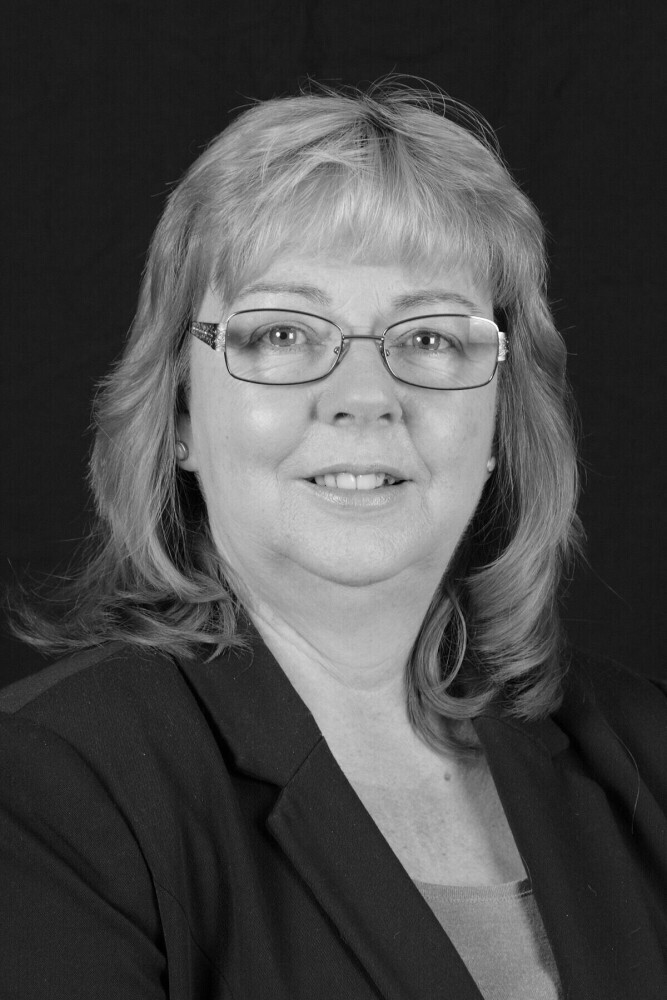
Karen Newton is a Business and Wealth Strategist, 3x #1 International Bestselling Author, Speaker and founder of Karen Newton International. She is known for helping entrepreneurs and investors connect business growth, investment opportunities, and economic trends into practical strategies for building long-term wealth and financial resilience.