What Happens During A Recession
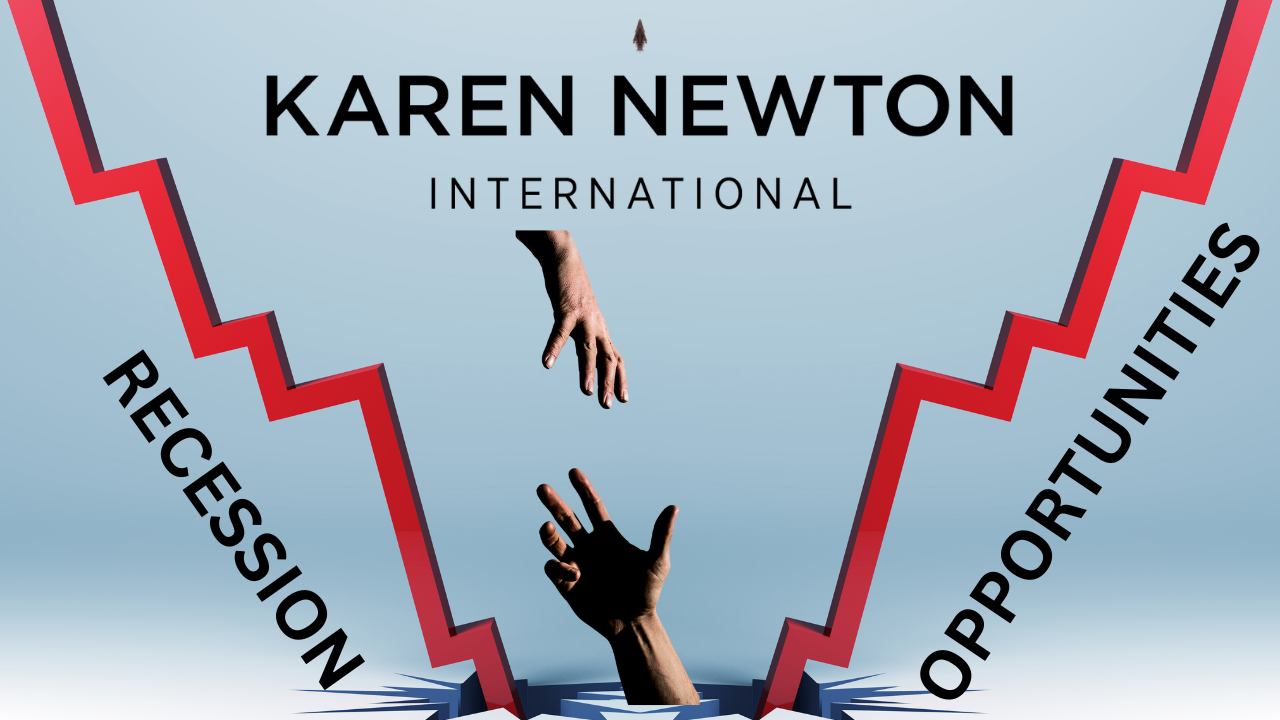
History tells us that recessions occur on average every 8–10 years. It isn’t a question of if a recession will happen but rather where we are in the cycle and how prepared you are for it.
The better your understanding of what happens during a downturn, the easier it becomes to protect your finances and position yourself effectively.
Because during every recession, there is a shift. Some struggle. Others position and benefit from the opportunities that follow.
Key Takeaways
- Recessions – A natural part of the economic cycle
- Time Frame – Typically 11–24 months (but varies)
- Impact on Business – Creates both challenges and opportunities
- Job Losses – Often increase during downturns
- Multiple Income Streams – Provide protection and flexibility
- Positioning – Preparation before the downturn is key
Table of Contents
What Happens To The Economy?
A recession is defined as two consecutive quarters of economic contraction, typically measured by GDP. This contraction is usually driven by reduced consumer spending.
As the cost of living rises, particularly during periods of inflation households prioritise essential spending such as housing, utilities, and food, cutting back on non-essential purchases.
In recent cycles, inflation has been influenced by global supply disruptions, geopolitical tensions, and rising production and transport costs.
To control inflation, central banks restrict money flow often through interest rate increases.
This tightening reduces borrowing, slows spending, and places pressure on businesses.
The result?
- Reduced consumer demand
- Lower business revenue
- Cost-cutting measures
- Job losses
This creates a cycle that feeds back into itself slowing the economy further.
How Long Does It Last?
There is no fixed timeline. On average, recessions last around 11 months, but many extend to 18–24 months depending on economic conditions and policy responses.
By the time a recession is officially confirmed, the economy has already been contracting for at least six months.
Some historical downturns have lasted significantly longer, although modern economic intervention tends to shorten the cycle.
Government policy plays a major role in recovery particularly through:
- Encouraging spending
- Supporting businesses
- Managing interest rates and liquidity
The Impact on Businesses: Challenges and Opportunities
During economic downturns, the reality for businesses is usually tough, with reduced consumer spending and a contraction in the market.
Corporate companies, due to their size, are usually caught in a difficult position where they have financing to deal with, cannot secure new borrowing and have to reduce their overall expenditure.
Companies might experience declines in sales and profits, have difficulties securing financing, and could be forced to make painful decisions like layoffs and cost-cutting measures.
However, smaller businesses and solopreneurs have more flexibility.
Some businesses may need to reduce their employee size but many find they can identify new areas for growth and pivot the business with their existing employees.
Not only do some businesses manage to survive, but certain sectors may even find the economic environment beneficial. For example, companies specializing in repair services or budget-friendly products often see increased demand as consumers look for cost-effective alternatives to purchasing new items.
No Job, Start a Business
During the credit crunch and subsequent downturn becoming self-employed was the growth area.
Network Marketing had a record surge in new business start ups.
Online Businesses such as e-commerce sites also saw massive uptake as did other types of online businesses.
Social Media Agencies had growth opportunities for new businesses not understanding the social media arena.
Affiliate Marketing and other Online Businesses saw big growth.
The downside of this strategy is that most of these businesses need a lead in time before they become established and profitable which is why the best time to start an online business is now.
The Online Entrepreneur website is a resource for learning more about creating online businesses from starting your website to becoming an Affiliate Marketer, Membership Sites and more.
Subscribe to The Online Entrepreneur Newsletter and get weekly tips and action steps for building your business.
Multiple Income Streams
Multiple Income Streams are a perfect strategy. The more income streams that can be generated, the better positioned individuals, small businesses and corporates are to survive.
Corporates tend to have multiple income streams but small businesses and individuals are less likely to do so.
As a small business, think about added value for customers. A great example are Veterinarian Clinics. Their business is looking after sick animals. However, they will also offer, pet insurance, pet diets, pet accessories and more. They have created Multiple Income Streams.
Small businesses, Solopreneurs and Employees can create a buffer against a recession through creating Multiple Income Streams.
The Best Time is Now
A question I am always asked is when is the best time to start creating Multiple Income Streams and the answer is now.
Building multiple income streams takes time as it is important to build one first. Once that has reached a certain income level and can be automated time can be allocated to building the second one.
Keep this process going until there are several income streams.
Be Your Own (Strategic Shift)
Economic downturns highlight a key reality: Reliance on a single system, employment, government support, or one income stream creates risk. This is where the shift happens.
Instead of depending entirely on external systems, the focus moves to how you control and manage from within with Be Your Own strategy providing the system.
- Be Your Own Economy
- Be Your Own Security System
- Be Your Own Bank
Because when the wider system tightens, those who rely on it most feel the impact first.
Cottage Industries, The Hidden Advantage
This is where Cottage Industries quietly outperform larger, more rigid structures.
These businesses:
- Require less capital
- Can pivot quickly
- Focus on immediate demand
- Operate with lower overheads
In uncertain times, the advantage shifts from scale to adaptability.
Recessions are a difficult time for everyone. The best any business or person can do is accept they occur frequently and start building for the next one starting today.
You’ll be surprised that the actions you take today might just make this recession easier to get through.
Further Reading
What exactly is a recession?
It is a period of economic decline, usually identified by two consecutive quarters of negative GDP growth. It’s often marked by reduced consumer spending, job losses, and business slowdowns.
How often do recessions occur?
They happen more frequently than many people realize. Historically, they tend to occur every 7–10 years, although the timing and severity can vary depending on global and national economic conditions.
What’s the difference between a shallow and deep recession?
A shallow recession is shorter and less damaging—often lasting just a few months. A deep recession is more prolonged, with widespread unemployment, multiple business closures, and a slower recovery process.
How do recessions affect jobs and businesses?
Businesses often cut costs, leading to layoffs, reduced hours, or even closures. Small businesses can be hit hardest, while larger corporations may restructure to survive.
Can you predict when a recession will happen?
Economists use indicators like rising interest rates, slowing GDP, and declining consumer confidence to spot warning signs, but the exact timing is difficult to predict.
How can multiple income streams help during a recession?
Relying on just one job or business is risky in uncertain times. Multiple income streams—such as side businesses, investments, or digital income sources—can help you thrive instead of merely surviving.
How long do recessions usually last?
The average recession lasts about 11 months, but recovery can take longer depending on the severity and government responses.
Is it possible to thrive during a recession?
Yes—those who are financially prepared, adaptable, and proactive often come out stronger. Recessions can present opportunities to start new businesses, invest at lower prices, or develop new skills.
What does “Be Your Own” mean during a recession?
Be Your Own” means reducing reliance on a single income source, employer, or external system and taking greater control of your financial position
Why do cottage industries perform well during a recession?
Cottage industries often perform well during recessions because they are typically small, flexible, and operate with lower overheads than larger businesses.
Learn How To Thrive Not Survive
The Zero to Millionaire Membership helps clients make money, invest it, and build legacy wealth so they can thrive during a recession. Join Zero to Millionaire Membership today.
Karen Newton International Ecosystem


Glossary
A description/definition of words used in this blog can be found in the Glossary

Karen Newton is a Business and Wealth Strategist, 3x #1 International Bestselling Author, Speaker and founder of Karen Newton International. She is known for helping entrepreneurs and investors connect business growth, investment opportunities, and economic trends into practical strategies for building long-term wealth and financial resilience.