
Strategic Investing in Uncertain Markets: Protect, Pivot and Position for Long-Term Wealth
Markets move in cycles. Economic booms are followed by slowdowns, confidence gives way to caution, and periods of uncertainty eventually create new opportunities.
While headlines often encourage emotional reactions, experienced investors understand that long-term wealth is rarely built by following the crowd. It is built through preparation, discipline and having a strategy that works regardless of market conditions.
Whether the economy is expanding, contracting or simply moving sideways, the principles of strategic investing remain remarkably consistent.
Here are five areas I focus on when navigating uncertain markets.
Key Points About Uncertain Markets
- Economic uncertainty is a normal part of every market cycle, making long-term strategy more important than short-term reactions.
- Successful investors focus on discipline, planning and risk management rather than emotional decision-making.
- Price Cost Averaging (PCA) allows you to build investment positions gradually while reducing the impact of market volatility.
- Maintaining a cash reserve provides flexibility to take advantage of future investment opportunities.
- Cryptocurrency should be treated as a higher-risk asset and managed using the same disciplined investment principles as traditional assets.
- Gold and silver play different roles within a diversified portfolio, offering both wealth preservation and industrial exposure.
- Property investing should prioritise sustainable cash flow, manageable debt and appropriate levels of leverage.
- Business cash flow is one of the most valuable assets during uncertain economic periods, providing capital for future investments.
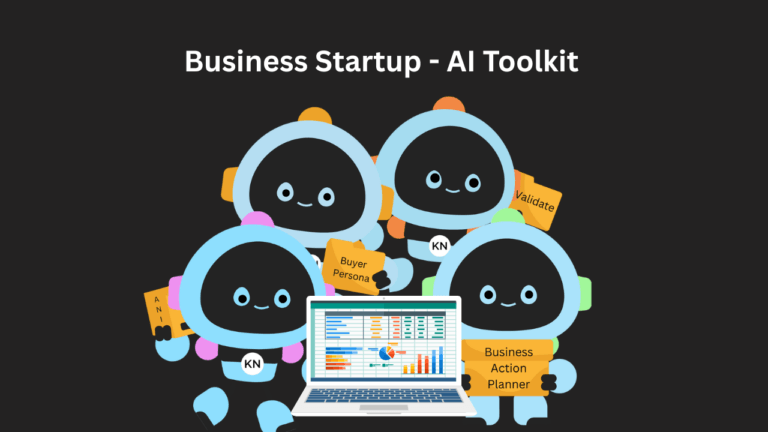
- Artificial Intelligence and automation can improve business efficiency, reduce operating costs and support scalable growth.
- Diversification across multiple asset classes helps reduce reliance on any single investment.
- Wealth is built by consistently applying sound investment principles over many years rather than attempting to time every market movement.
- A strategic framework allows investors to navigate both rising and falling markets with greater confidence.
Table of Contents
1. Shares: Use Price Cost Averaging with a Cash Reserve
Market volatility creates opportunity—but only if you still have cash available to invest.
Rather than trying to predict the exact market bottom, I prefer to use Price Cost Averaging (PCA). Instead of investing everything at once, I gradually increase positions as prices become more attractive.
Personally, I work with a 75/25 allocation:
- 75% of my investment capital is used for purchasing and averaging into positions.
- 25% remains in cash, ready to deploy if markets fall further or exceptional opportunities appear.
Maintaining a cash reserve provides flexibility. Markets can remain irrational for longer than expected, and having liquidity allows you to take advantage of future opportunities rather than becoming fully invested too early.
Strategic considerations
- Review profitable holdings and consider taking profits where appropriate.
- Avoid panic selling quality investments purely because prices have fallen.
- Lower your average purchase price gradually through disciplined PCA.
- Invest according to your strategy rather than daily market headlines.
The objective isn’t to buy perfectly at the bottom. It’s to consistently build quality positions over time.
2. Crypto: Treat Innovation with Appropriate Risk Management
Cryptocurrency market has matured considerably, but it remains one of the most volatile asset classes available.
During periods of market uncertainty, crypto often behaves more like high-growth technology than a traditional safe haven. While the long-term potential remains significant, investors should manage exposure carefully.
I apply exactly the same investment discipline here as I do with traditional investments.
Strategic considerations
- Use a structured PCA approach rather than making large one-off purchases.
- Maintain a cash reserve for future opportunities.
- Focus primarily on established cryptocurrencies such as Bitcoin and Ethereum.
- Treat speculative altcoins as higher-risk investments requiring additional caution.
- Never invest money you cannot afford to leave invested for the long term.
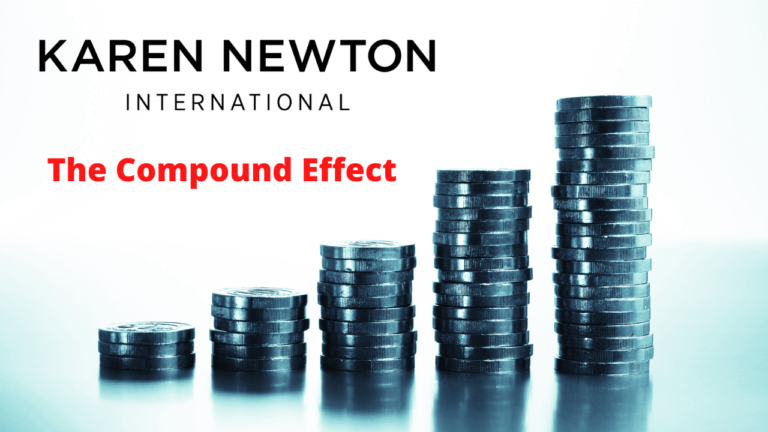
Successful investing isn’t about chasing the biggest gains it’s about managing risk while allowing opportunities to compound.
3. Gold and Silver: Understand Their Different Roles
Although gold and silver are often grouped together, they serve very different purposes within an investment portfolio and have their own markets.
Gold
Gold has traditionally acted as a store of wealth during periods of inflation, currency weakness and geopolitical uncertainty. While prices can become expensive during periods of high demand, it continues to provide diversification within a balanced portfolio.
For many investors, gold ETFs provide exposure without the additional costs associated with buying, storing and insuring physical bullion.
Silver
Silver has a dual purpose.
It is both a precious metal and an industrial commodity, meaning its price is influenced not only by investor demand but also by manufacturing, renewable energy, electronics and technological growth.
This can make silver more volatile than gold while also creating different opportunities throughout economic cycles.
Rather than chasing rising prices, I prefer to accumulate gradually when valuations become attractive.
The important point isn’t deciding whether one metal is better than the other—it’s understanding the role each plays within your overall wealth strategy.
4. Property: Focus on Flexibility and Risk Management
Property remains an important long-term asset, but leverage can quickly become a weakness when market conditions change.
History has repeatedly shown that falling property values, changing lending criteria and higher interest rates can place heavily leveraged investors under significant pressure.
Risk management therefore becomes just as important as finding the next investment opportunity.
Strategic considerations
- Regularly review mortgage terms and loan-to-value ratios.
- Reduce unnecessary leverage where practical.
- Build cash reserves to cover unexpected changes in interest rates or rental income.
- Consider property control strategies, such as options, where appropriate, to reduce capital exposure.
- Prioritise sustainable cash flow over rapid expansion.
Owning more property is not always the objective.
Owning property sustainably through multiple market cycles is.
5. Business: Build Cash Flow Before Chasing Growth
During uncertain economic periods, your business can become one of your strongest wealth-building assets.
A profitable business creates the cash flow needed to fund investments across shares, property, precious metals and other opportunities.
Rather than pursuing growth at any cost, I focus on building efficient, resilient businesses.
Strategic priorities
- Keep overheads lean.
- Build recurring revenue wherever possible.
- Prioritise profit rather than vanity metrics.
- Continue strengthening your online presence and digital assets.
- Develop multiple income streams to reduce dependency on any single source.
Artificial Intelligence is also becoming an important strategic advantage.
Used well, AI can automate repetitive tasks, improve customer service, assist with marketing, accelerate research and reduce operational costs. Rather than replacing expertise, it enables business owners to focus more of their time on strategy, innovation and serving clients.
The businesses that embrace efficiency while maintaining human insight are likely to be better positioned for long-term growth.
Strategy Over Emotion
Every economic cycle presents challenges. It also presents opportunities. The difference between the two often comes down to preparation.
Instead of reacting emotionally to market movements, build a framework that allows you to make consistent, rational decisions regardless of what is happening in the headlines.
- Maintain liquidity.
- Protect your cash flow.
- Diversify thoughtfully.
- Invest with discipline.
Most importantly, remember that wealth is rarely created by predicting every market movement perfectly. It is built by consistently applying sound principles over many years.
Markets will continue to rise and fall. Your strategy should be designed to succeed through both.
Key Takeaways
- Markets move in cycles—your strategy should too.
- Use Price Cost Averaging to build positions gradually.
- Maintain cash reserves to take advantage of future opportunities.
- Manage risk across every asset class.
- Build businesses that generate sustainable cash flow.
- Use technology and AI to improve efficiency, not replace strategic thinking.
- Focus on long-term wealth creation rather than short-term market noise.
Further Reading


Podcast and Video Library
Frequently Asked Questions
Should I stop investing during market uncertainty?
Not necessarily. Many long-term investors continue investing through market cycles using structured approaches such as Price Cost Averaging. Consistency is often more important than trying to perfectly time the market.
Why keep cash if markets are falling?
Cash provides flexibility. It allows you to take advantage of future opportunities without being forced to sell existing investments.
Is crypto a safe-haven asset?
Crypto can provide significant long-term opportunities but remains highly volatile. It should generally be treated as a higher-risk asset within a diversified portfolio.
Does gold always rise during economic uncertainty?
No. Gold can experience periods of decline like any other asset. However, it has historically been viewed as a store of value during times of monetary and geopolitical uncertainty.
Why is business included in an investment strategy?
A profitable business generates the cash flow needed to invest across multiple asset classes. Strong cash flow often provides greater financial resilience than relying solely on investment returns.
Disclaimer
The information provided in this article is for educational and informational purposes only and should not be considered financial, investment, legal or tax advice.
The views expressed reflect my personal experience and strategic approach to wealth building. They are not recommendations to buy, sell or hold any investment or financial product.
Every investor’s circumstances are different. Always carry out your own research and seek professional advice where appropriate before making financial decisions.
All investments involve risk, including the potential loss of capital. Past performance does not guarantee future results.
Explore Further
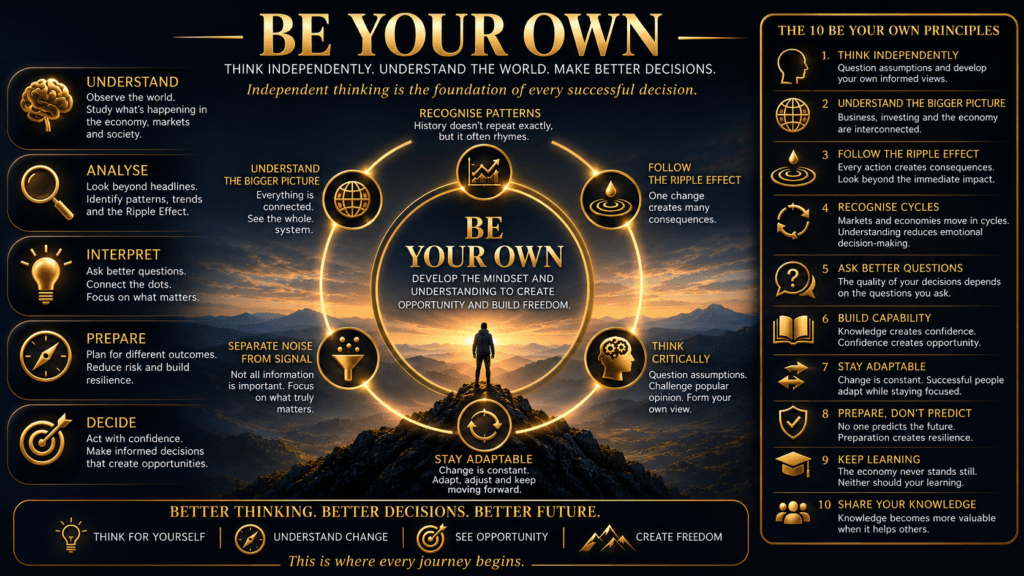
Learn more about understanding the markets and how they work with Business and Wealth Strategy and Be Your Own
Karen Newton Ecosystem

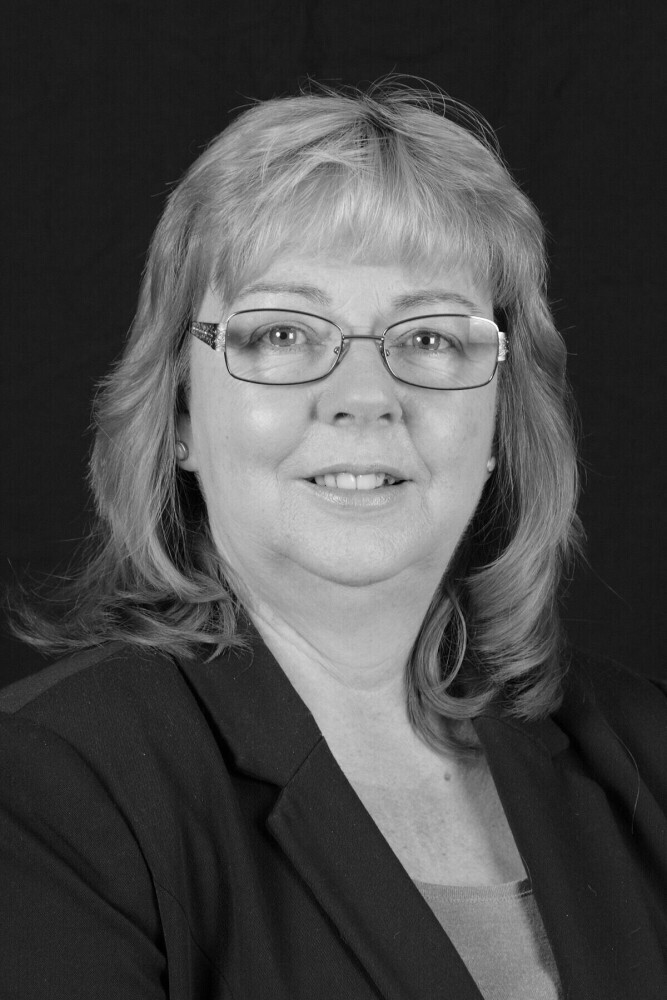
Karen Newton is a Business and Wealth Strategist, 3x #1 International Bestselling Author, Speaker and founder of Karen Newton International. She is known for helping entrepreneurs and investors connect business growth, investment opportunities, and economic trends into practical strategies for building long-term wealth and financial resilience.