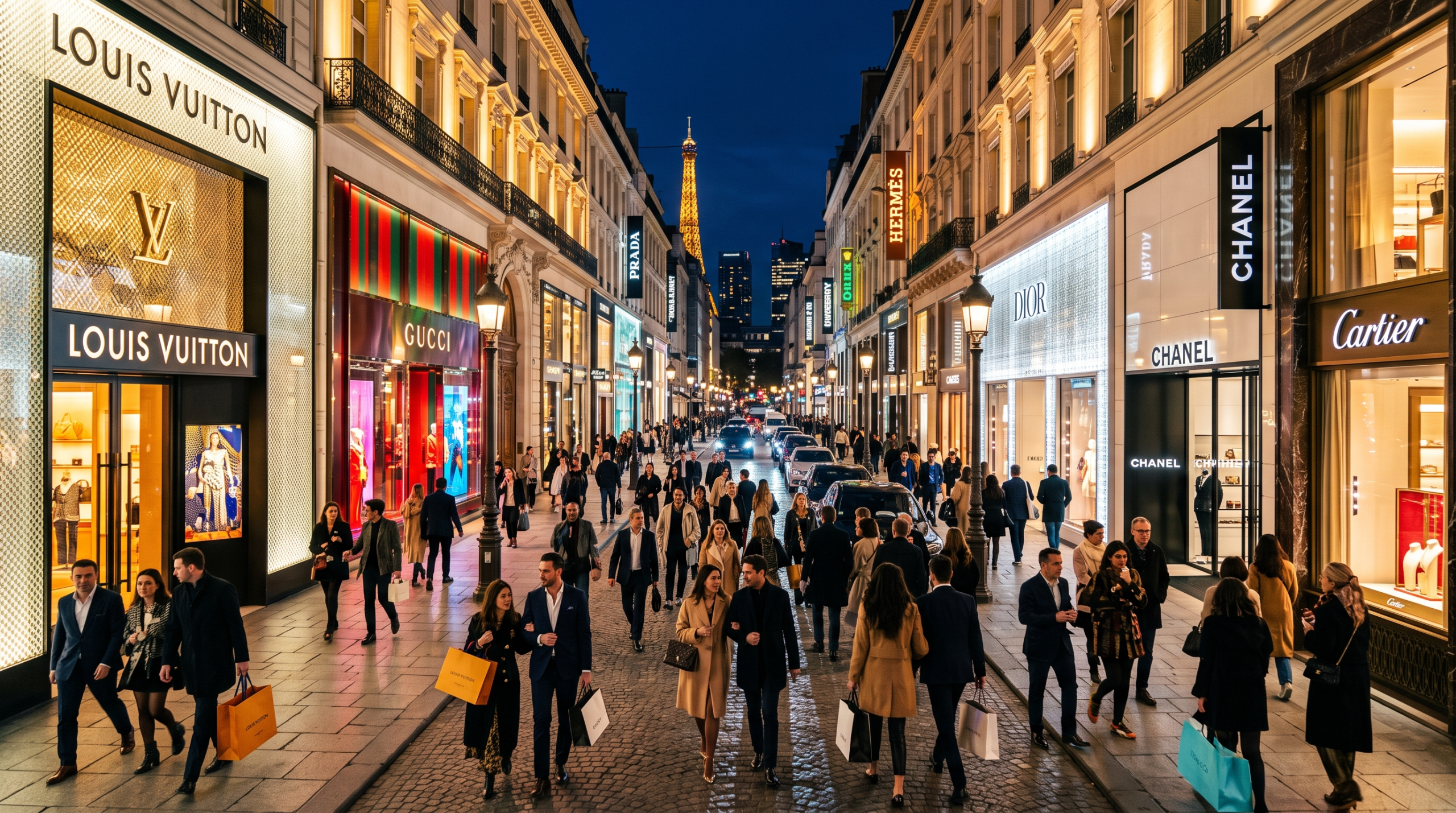
Luxury Fashion and the Global Economy
If luxury fashion has often been one of the first sectors to reflect changing consumer confidence, are today’s weaker sales simply a fashion trend, or are they another signal that global liquidity remains tighter than many investors realise?
Recent months have seen an increasing number of celebrity endorsements promoting men’s luxury accessories. Chinese actors Zhang Linghe and Song Weilong have become high-profile ambassadors for Gucci, frequently appearing with the brand’s latest men’s leather collections. During Gucci’s New York event earlier this year, Zhang Linghe was rarely seen without one of the company’s signature bags, highlighting Gucci’s continued push into the men’s luxury accessories market.
The strategy extends well beyond the entertainment industry. Football stars have also become valuable ambassadors. England midfielder Jude Bellingham is estimated to have generated around $1.1 million (£825,000) in media value for Louis Vuitton, while France captain Kylian Mbappé reportedly created approximately $1.3 million in value for Dior after being photographed carrying the brand’s £4,500 Normandie tote.
At first glance, these luxury fashion campaigns suggest a thriving market. Yet the financial results tell a very different story.
Key Points
- Luxury fashion is often an early indicator of changing consumer confidence and global liquidity.
- Luxury brands continue investing heavily in celebrity endorsements despite weaker sales.
- Younger consumers are becoming increasingly important to the future growth of the luxury market.
- Rising living costs and economic uncertainty are making discretionary spending more challenging for many buyers.
- Luxury property, retail spending and high-end fashion can all provide valuable insights into broader economic trends.
- Investors should look beyond headline sales figures and consider what changing consumer behaviour may signal for the wider economy.
- Understanding the ripple effect between industries can provide early clues about shifts in market sentiment and investment opportunities.
Table of Contents
Strong Marketing, Softer Sales
Despite the growing presence of celebrity ambassadors, several leading fashion houses have reported slower growth or declining profits. Softer demand has emerged in key luxury fashion markets, particularly China and parts of the Middle East, while UK luxury retailer Mulberry has also experienced more challenging trading conditions.
The contrast is striking. Fashion houses are investing millions in global marketing campaigns featuring internationally recognised actors and sports stars, yet consumers appear to be becoming increasingly selective with discretionary spending.
That raises an important question. If celebrity influence remains as powerful as ever, why aren’t sales following?
The Next Generation of Luxury Consumers
The answer may lie in who these campaigns are targeting.
The global luxury menswear market is estimated to be worth more than US$72 billion and is expected to exceed US$107 billion over the next few years. Fashion houses clearly see significant long-term growth potential in men’s luxury products.
Equally important is the age of their future customers. Millennials already account for around 45% of global luxury spending, while Generation Z contributes approximately 20%. Together, these younger generations now represent around two-thirds of luxury purchases worldwide.
This explains why brands are choosing ambassadors such as Zhang Linghe, Song Weilong, Jude Bellingham and Kylian Mbappé. They are not simply selling handbags or leather goods. They are introducing younger consumers to brands they hope will become lifelong purchasing habits.
A customer who buys their first Gucci or Louis Vuitton accessory in their twenties may go on to purchase luggage, watches, shoes and tailoring over several decades. Building that long-term relationship is far more valuable than making a single sale today.
The Economic Reality Facing Younger Buyers
The challenge, however, is that the very generation luxury fashion brands are targeting is also facing one of the most difficult financial environments in recent years.
Higher housing costs, increased living expenses, elevated interest rates and greater economic uncertainty have all reduced disposable income for many younger consumers.
While celebrity campaigns encourage aspiration, the economic backdrop encourages caution.
Luxury purchases are, by their nature, discretionary. A designer handbag or men’s leather tote can always be postponed. Mortgage payments, rent, household bills and everyday living expenses cannot.
As liquidity tightens, even consumers who aspire to own luxury products may decide that now is not the right time to spend.
Luxury Fashion as an Economic Indicator
Luxury fashion brands do not simply sell handbags or designer clothing. They sell confidence.
When consumers feel optimistic about their financial future, luxury purchases often increase. When liquidity tightens, those purchases are among the first to be delayed.
The distinction between different customer groups is also becoming increasingly important. The world’s wealthiest consumers continue to spend, helping support the very top end of the luxury market. However, the aspirational buyer, the customer saving for a Louis Vuitton bag or a Gucci accessory is becoming much more cautious as higher interest rates, weaker property markets and slower economic growth affect disposable income.
That makes luxury fashion far more than a consumer story. It becomes another useful economic indicator.
Alongside slowing property markets, higher household debt, cautious business investment and changing consumer behaviour, weaker luxury spending may simply be reflecting the same underlying theme: tighter global liquidity.
Looking Beyond the Handbag
Celebrity ambassadors can generate headlines, social media engagement and enormous brand awareness. They can inspire aspiration and strengthen brand recognition across the next generation of consumers.
What they cannot do is persuade people to spend money they no longer feel comfortable spending.
Perhaps the question investors should be asking is not whether men’s luxury bags are becoming fashionable, but whether luxury fashion itself is quietly signalling where the global economy is heading next.
Sometimes the most valuable economic indicators are not found in central bank reports or financial statements. Sometimes they are hanging from the shoulder of a celebrity, quietly reflecting the confidence or caution of the consumers watching them.
Further Reading

Podcast and Video Library
Frequently Asked Questions
Why is luxury fashion considered an economic indicator?
Luxury fashion relies on discretionary spending, making it sensitive to changes in consumer confidence and liquidity. A slowdown in luxury sales can sometimes signal wider economic pressures before they appear in broader market data.
Why are luxury brands continuing to invest in celebrity ambassadors?
Luxury brands use celebrity ambassadors to strengthen brand recognition, attract younger consumers and build long-term loyalty. Even during periods of slower sales, maintaining visibility is seen as an investment in future growth.
Why are Millennials and Generation Z important to luxury brands?
Millennials and Generation Z represent a growing share of global luxury spending. Brands are investing in these generations because they are expected to shape the future of the luxury market through their purchasing power and long-term customer value.
What factors are affecting luxury spending?
Rising living costs, higher interest rates, economic uncertainty and changing consumer priorities have reduced discretionary spending in many markets. This has contributed to slower growth across several luxury brands.
What does luxury spending tell investors?
Luxury spending can provide early clues about consumer confidence, wealth creation and liquidity. While it should not be used in isolation, it can complement other economic indicators when assessing market conditions.
How are luxury property and luxury fashion connected?
Both are discretionary purchases that often reflect wealth confidence and available liquidity. Weakness in one sector may reinforce trends appearing in the other, helping to build a broader picture of economic sentiment.
What is meant by the ripple effect in financial markets?
The ripple effect describes how changes in one sector of the economy can influence others. For example, reduced consumer confidence may affect luxury spending, property markets, investment activity and business performance over time.
Why is it important to interpret multiple market signals?
No single indicator provides the complete picture. Comparing trends across sectors such as luxury retail, property, consumer spending and investment markets can help identify emerging opportunities and potential risks earlier.
Continue Exploring
Every article is part of the wider Business & Wealth Strategy Framework. Continue here
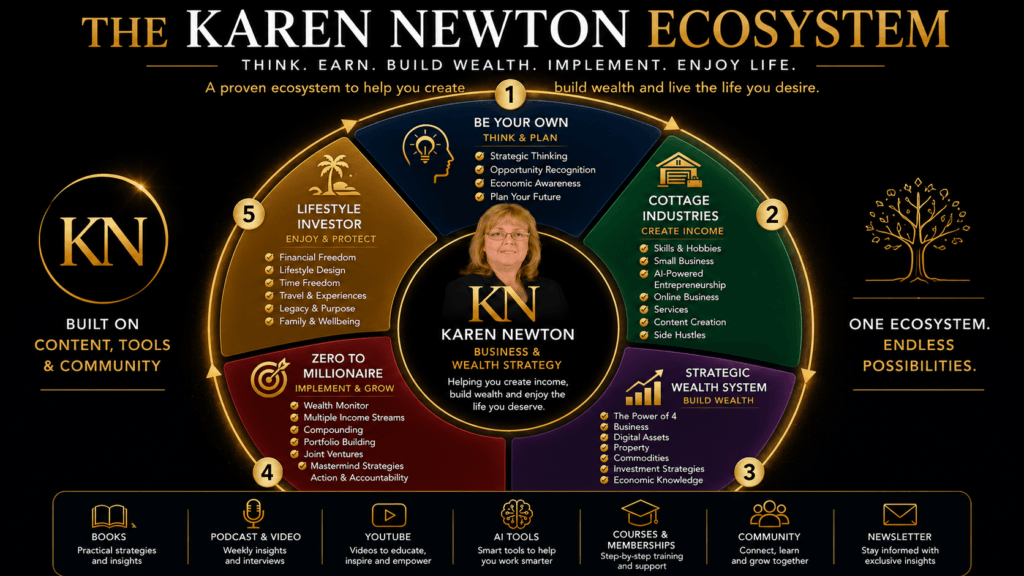
Karen Newton Ecosystem


Glossary
A definition of words and phrases used in the post are available in the glossary

Karen Newton is a Business and Wealth Strategist, 3x #1 International Bestselling Author, Speaker and founder of Karen Newton International. She is known for helping entrepreneurs and investors connect business growth, investment opportunities, and economic trends into practical strategies for building long-term wealth and financial resilience.